
Key Takeaways
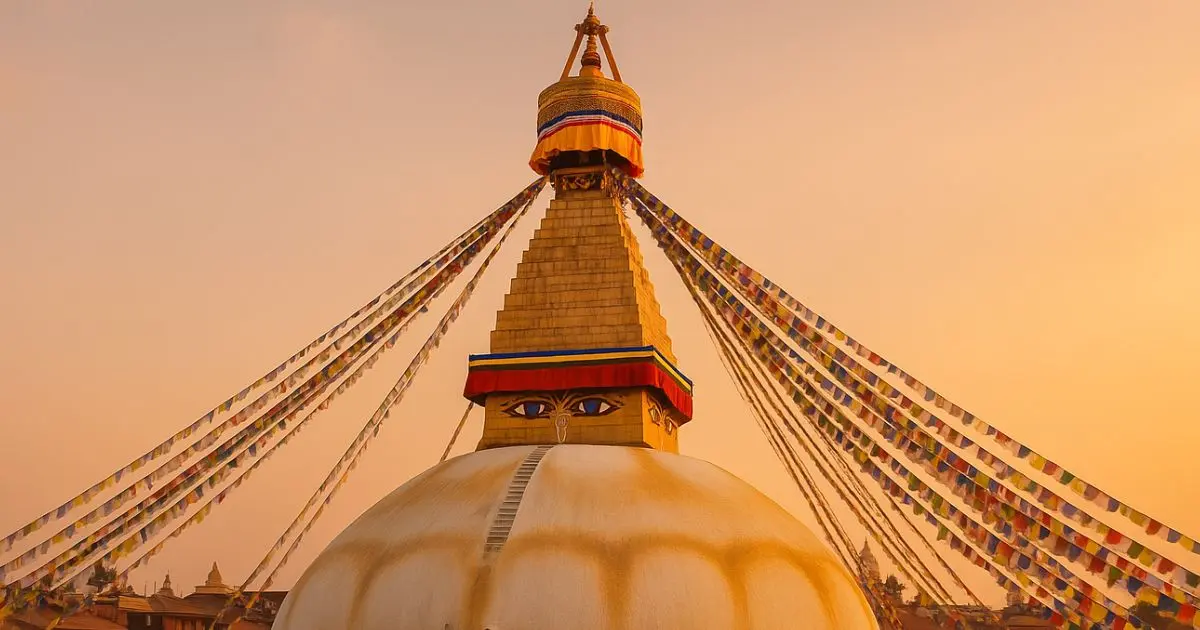
Boudhanath Stupa in Kathmandu is a sacred site where Tibetan Buddhist rituals and daily life blend into one peaceful rhythm. When visiting, expect to walk clockwise in kora, spin prayer wheels, light butter lamps, and witness monks chanting in nearby monasteries. The air smells like incense and juniper, and the best times to go are early morning or at dusk. Whether you’re a pilgrim or curious traveler, Boudha offers a rare sense of stillness and spiritual presence.
Introduction
There’s a moment when you first arrive at Boudhanath that stays with you forever. You leave the noise of Kathmandu’s traffic behind and step into a quiet, sacred circle. The giant white dome rises in front of you, wrapped in a constant flow of footsteps, mantras, and prayers. Colorful flags stretch across the sky. Monks in maroon robes walk in silence. Pigeons lift and land like wind-borne thoughts.
You’re no longer just a visitor. You’re part of something timeless.
This is what makes Boudha Stupa different. It isn’t a sightseeing stop , it’s a spiritual pulse that still beats, every day, every dusk, every dawn.
1. The Daily Rhythm of Boudhanath
Boudha lives in cycles. From morning prostrations to evening butter lamps, there’s a rhythm you’ll feel just by being present.
– Kora: Locals and pilgrims walk clockwise around the stupa, spinning prayer wheels as they pass. Many hold mala beads, softly reciting Om Mani Padme Hum.
– Butter Lamp Offerings: Along the base of the stupa, you’ll find small platforms where butter lamps flicker in the wind. Each flame is a prayer, a light for someone’s path.
– Prostrations: You’ll see devoted practitioners stretch flat to the ground in full-body bows, especially early morning. It’s humbling to witness.
– Monastery Chants: Listen carefully, some sounds come from inside nearby monasteries. Morning pujas, conch shells, chanting. The whole neighborhood breathes in unison.
No matter when you visit, the stupa is always alive.
2. Sights, Sounds, and Scents: What You’ll Feel
Boudha isn’t just something you see , it’s something you feel with every sense.
– Eyes: The all-seeing eyes of the Buddha gaze out in every direction. Golden spires shine in the sun. Prayer flags flutter like messages on the wind.
– Ears: Bells ring gently. Monks chant from hidden gompas. Footsteps pat the brick path. Sometimes, there’s a silence so deep it feels sacred.
– Nose: The smell of incense and juniper is everywhere. Butter from lamps. Flowers laid gently at shrines.
Many visitors say Boudha is the only place in Kathmandu where they immediately feel peace.
3. Best Time to Visit Boudha Stupa
You can visit Boudha any time of day, but here’s what makes each moment special:
– Dawn (5:30–7:00 am): Monks start morning pujas. The air is cool. Serious practitioners begin their prostrations. The light is soft and golden.
– Late Morning to Afternoon: More cafes open. Good for photography. Busier, but still calm.
– Dusk (5:00–7:00 pm): Butter lamps are lit. The kora path fills. The sky glows. For many, this is the most moving time of day.
Bonus: Visit during a festival.
– Losar (Tibetan New Year): Joyful chaos, color, and celebration
– Buddha Jayanti: A sacred full-moon event
Lhabab Duchen: Celebrates Buddha’s descent from heaven
During these days, the stupa becomes a full mandala of activity.
4. How to Participate Respectfully
Boudha is not a tourist attraction; it’s a living shrine. Here’s how to walk with care:
– Walk clockwise: Always. Never go the other way.
– Dress modestly: Shoulders and knees covered is best. Scarves are common.
– Speak softly: The stupa is sacred to many. Keep voices low.
Don’t point feet at shrines or monks: It’s considered disrespectful.
– Photography: Allowed, but not during rituals or in people’s faces. If unsure, ask.
– Offer a butter lamp: You can light one with quiet intention. It’s simple, beautiful, and meaningful.
5. Where to Pause and Reflect
Boudha isn’t just for walking. It’s also for sitting. Watching. Breathing.
– Rooftop cafés: Order a butter tea or masala chai, and just sit. Let the stupa unfold below you.
– Hidden benches: Tucked along the kora path, these are perfect for journaling or quiet prayer.
– Monastery courtyards: Some are open during the day. Step in. Remove your shoes. Feel the stillness.
If you’re in a rush, you’ll miss what Boudha is offering. The slower you go, the deeper it feels.
6. Staying Nearby: Deepening the Experience
If you stay overnight in Boudha, the experience becomes something else entirely.
– You’ll hear the first bells at dawn from your window.
– You can join kora before sunrise and feel like a local.
– You’ll find hidden cafes, quiet gompas, rooftop meditations that you miss if you only visit once.
If you’re seeking retreat, purpose, or just quiet to work , Boudha is ideal.
If you’re looking for a peaceful hotel just steps from the stupa, Boudha Mandala Hotel offers stupa-view rooms, long-stay options, and a warm local welcome.
7. Personal Reflection: My Most Unexpected Moment
One morning, while walking in the soft light, I saw an old Tibetan woman walking clockwise in complete silence. Her back was bent. Her mala moved slowly in her hands. As I passed her, she whispered, barely audibly, “Om Mani Padme Hum.”
She had probably walked this circle thousands of times. Yet, each step was fresh, prayerful. It reminded me, spiritual places don’t shout. They whisper.
Conclusion
Visiting Boudha isn’t about ticking a box. It’s about slowing down long enough to feel something sacred.
You’ll leave with incense on your clothes, a stillness in your chest, and a quiet knowing that something real still exists in this world.
If you can, stay close. Let Boudha become part of your rhythm. Boudha Mandala Hotel can be your spiritual home just seconds away.