
Difference Between Hotel and Motel: What Fits Your Journey?

If you’re planning a trip to a meaningful place like Boudhanath in Kathmandu or anywhere that requires reflection, safety, and comfort, you’ve likely searched:

What’s the difference between a hotel and a motel?

Here’s the short answer:

Hotels are built for longer, more intentional stays. They offer indoor-access rooms, guest services like daily housekeeping, dining, and reception support.

Motels are designed for short-term convenience. They typically have rooms that open directly to the parking lot, offer minimal service, and suit travelers passing through.

But if you’re planning a retreat, working remotely, or exploring spiritual spaces like Boudhanath
Stupa, there’s more to consider. The place you stay will shape your experience.

What is a Hotel?

A hotel is a guest lodging facility that offers more than just a bed. You’ll usually find hotels in cities, near airports, and around cultural landmarks—like Boudhanath.
Hotels often include:

– Reception/front desk support

– Indoor rooms with elevators or hallways

– Housekeeping and private bathrooms

– On-site cafés or restaurants

– Extra services like Wi-Fi, airport pickup, or laundry

Whether you’re staying a few days or a few weeks, hotels are designed to help you settle in especially when you need peace, quiet, and support.

What is a Motel?

A motel (short for “motor hotel”) is designed for travelers on the move. Originally built for road-trippers, motels prioritize function over experience.
Typical motel features:

– Rooms with doors that open directly outside.

– Located near highways or outskirts.

– Minimal services, no dining, reception, or extras.

– Lower cost, but also lower comfort.

– Good for short stays, not extended trips.

Motels are meant for sleep and go. They’re not designed to support meaningful travel.

When to Choose a Hotel

If your trip is about more than just passing through—a retreat, a quiet work week, or a spiritual experience, a hotel will offer what you need.

Choose a hotel when:

– You want peace, safety, and structure

– You’re working remotely and need good Wi-Fi

– You’re traveling solo and prefer helpful staff

– You want to stay close to culture or sacred spaces

– You plan to stay more than one or two nights

Example:
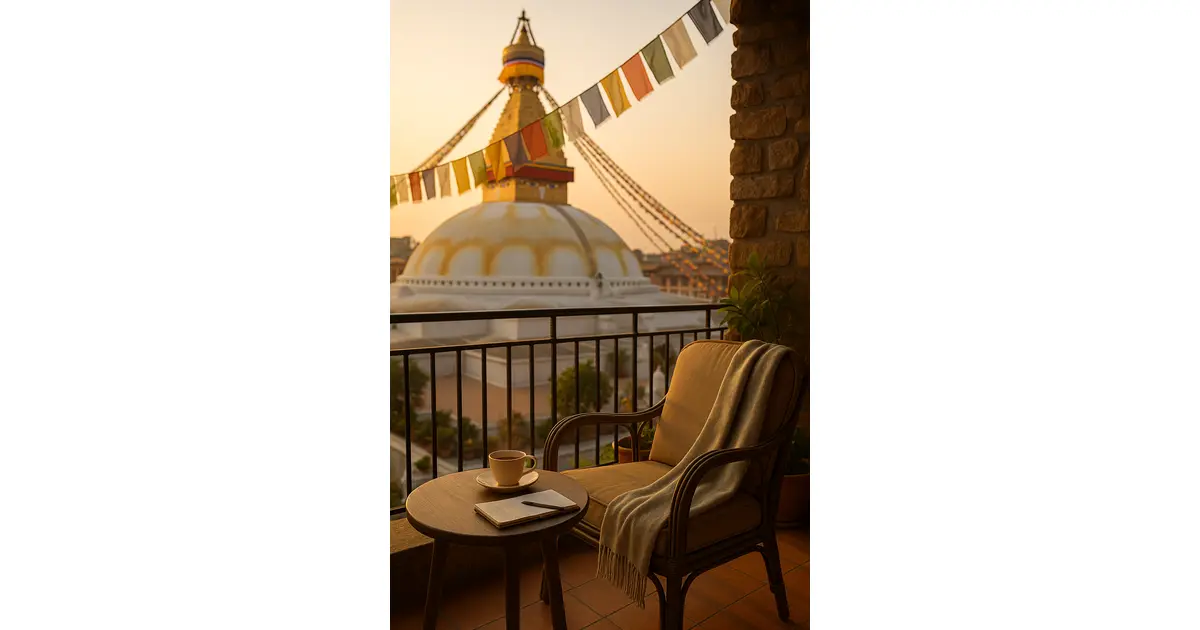
Imagine arriving in Boudhanath after a long flight. You’re not here for nightlife or fast sightseeing. You want to wake up to the sound of morning chants, sip tea overlooking the stupa, and write or meditate in silence. A hotel helps make that possible.

When a Motel Might Work

Motels serve a different kind of traveler.

Choose a motel when:

– You’re on a road trip and just need a place to sleep

– You want to park right outside your door

– You’re on a tight budget and don’t need services

– Your stay is short and unplanned

Motels meet basic needs, but they’re not designed for presence, peace, or cultural immersion.

Why This Matters at Boudhanath

Boudhanath is one of the most sacred Buddhist sites in the world. The energy here is different, calmer, more intentional.

Choosing where you stay affects how you experience this space. That’s where Boudha Mandala Hotel stands out.

Why Boudha Mandala Hotel Is Built for This Kind of Travel

Just 10 seconds from the stupa, Boudha Mandala Hotel offers exactly what you are looking for.

What makes it the right fit:

– Stupa-view rooms with balconies – wake up to chanting and incense, not traffic.

– Long-stay apartments with kitchens- perfect for working remotely or taking a spiritual sabbatical.

– Organic breakfast café – with healthy, local and Western options.

– Multilingual staff- trained to understand the needs of solo travelers and pilgrims.

– Quiet setting- away from the noise of Thamel, yet walkable to everything you need.

– Extra touches- free Wi-Fi, laundry, airport shuttle, and thoughtful, local hospitality.

Whether you’re here to work, rest, or reconnect with yourself, Boudha Mandala doesn’t just give you a room. It gives you space to belong.

Final Takeaways

– Hotels are built for presence, care, and longer stays.

– Motels are built for movement, convenience, and overnight rest.

– If you’re traveling with intention to retreat, reflect, or create a hotel gives you the peace and structure to do that well.

And if you’re heading to Boudhanath Stupa, Boudha Mandala Hotel offers the kind of stay that meets you where you are with simplicity, peace, and purpose.
The Art of Thangka Painting in Boudha: Where to See It, Learn It, and Buy It

Key Takeaways:
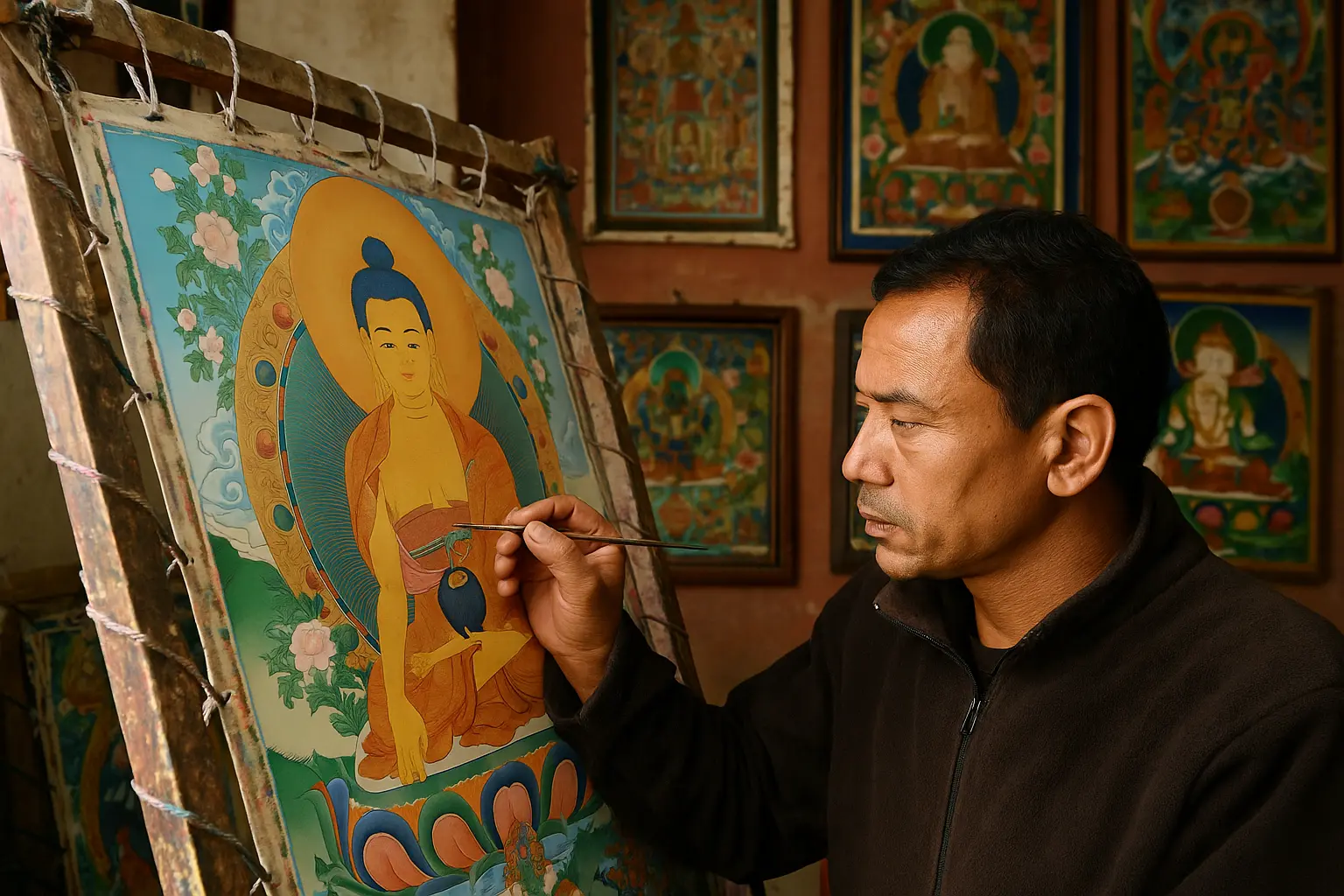
Boudha is more than a stupa. It’s a living mandala of devotion, where the walls breathe prayer and the alleys hum with sacred color. One of its quiet treasures is the presence of Thangka painting, sacred scroll art that tells the stories of the Buddha, bodhisattvas, and protectors through intricate brushwork, devotion, and lineage.

This guide walks you through where to witness, learn, and support authentic Thangka art in Boudha, with a special spotlight on the Himalayan Art Council, a guardian of this sacred heritage.

Why Thangka Painting Matters in Boudha.

If you’ve walked the kora around Boudhanath Stupa, you’ve likely passed Thangka shops glowing with reds, golds, and blues. But these aren’t just souvenirs. A true Thangka is a meditation in paint,a visual scripture born of sacred geometry, iconographic precision, and often months of devotion.

Originally used as aids for meditation or teaching, Thangkas are part of a deeper ritual life in Vajrayana Buddhism. They must be painted with care, following exact proportions handed down through the centuries. And Boudha remains one of the rare places on earth where this tradition is still alive, not just preserved, but practiced.

Where to See Masterpieces Up Close

Himalayan Art Council: A Living Archive of Himalayan Art

If you want to understand Himalayan painting beyond its surface beauty, this is where you begin.

The Himalayan Art Council is more than a gallery. It’s a cultural institution rooted in preservation, education, and living practice. Their collection spans ancient paubhas, rare deity Thangkas, and modern interpretations from contemporary Himalayan artists.

Step inside and you’ll find:
• Rarely-seen pieces from private collections and remote monasteries
• Exhibitions that connect traditional art with modern expressions
• Guided insights into the symbolism, technique, and lineage behind each work

The Council also protects artistic integrity through digital provenance systems, allowing artists to certify their original work and ensure it’s not lost to imitation or overseas commodification.

Visit the Himalayan Art Council to explore current exhibits, artist residencies, or join a guided tour.

Where to Learn the Sacred Craft

Local Thangka Studios and Workshops

For travelers who want to go beyond looking and begin creating, Boudha offers several studios where you can take short or long-term Thangka painting courses.

1. The Norling Art School

Tucked down a quiet alley near Shechen Monastery, Norling offers traditional training under lineage artists. They focus on authentic technique: gold detailing, brush prep, hand-ground pigments, and iconometric drawing.

• Great for: Serious learners or those staying in Boudha for a few weeks
• Tip: They often host beginner workshops during Losar or special retreats

2. Tibetan Thanka Art School
A family-run space that’s open to walk-ins. Students can observe painters in process or join half-day sketching sessions.
• Great for: Curious travelers with little background
• Bonus: Their master painter has done commissions for local monasteries

Before signing up, always ask whether the teacher has direct training under a lama or certified art lineage, this ensures the practice is spiritually rooted, not just decorative.

Where to Buy Authentic Thangka Paintings in Boudha

Buying a Thangka is like adopting a sacred mirror. If done respectfully, it becomes a blessing in your home or altar.

Here’s how to do it mindfully:
• Avoid tourist traps with factory-made copies
• Ask about the artist. Where did they train? Which lineage? What deity or symbolism is depicted?
• Visit verified spaces like the Himalayan Art Council, where pieces are certified, ethically sourced, and accompanied by artist bios

Most reputable shops in Boudha will wrap your Thangka carefully and explain how to treat it with respect (don’t place it on the ground, avoid display in bathrooms or casual spaces).

Why the Himalayan Art Council Matters Now More Than Ever

In a world where sacred art is often commercialized or stripped of context, the Himalayan Art Council acts as a cultural shield. Their mission is to protect Himalayan art as a living national treasure, not just relics in glass cases.

They preserve endangered paubhas, support new artists, and use AI and private blockchain to ensure artwork remains authentic, traceable, and connected to its source culture.

Every certified Thangka in their collection is:
• Digitally recorded for provenance
• Connected to the artist’s lineage and method
• Part of a larger public archive for future generations

When you buy or support art through the Council, you’re not just collecting,you’re participating in the protection of Himalayan identity, history, and spiritual integrity.

Explore available artworks or artist collaborations at the Himalayan Art Council

Final Reflection

To truly understand Thangka painting, you don’t need a textbook. You need to slow down.

Sit inside a quiet atelier. Watch the steady hand lay gold leaf on a Bodhisattva’s crown. Ask the artist why they chose that particular shade of blue. Feel how reverence travels from hand to brush to canvas.
And maybe, as you carry your own Thangka home, you’ll realize it’s not just pigment and cloth. Its presence.

A reminder that in Boudha, art is not decoration. It’s devotion, made visible.

Planning to Explore Sacred Art in Boudha?

If you’re staying in Boudha to explore its artistic and spiritual depth, Boudha Mandala Hotel offers long-stay apartments and peaceful stupa-view rooms just steps away from workshops, studios, and galleries.

Our staff can help you connect with local artists or visit current Himalayan Art Council exhibitions.

What is Boudhanath Stupa? The Spiritual Heart of Kathmandu

Key Takeaway

Boudhanath Stupa is one of the most sacred Buddhist sites in Nepal, located in Kathmandu. This immense white dome, adorned with the all-seeing eyes of the Buddha, is a pilgrimage site, a spiritual hub, and a place of daily prayer for Tibetan Buddhists and Himalayan communities. It’s where ancient traditions meet modern life, creating a peaceful yet powerful atmosphere of devotion, stillness, and cultural richness.

Introduction

When you first step into Boudha, there is a moment,a hush. The sound of traffic softens. The air feels different. Prayer flags flutter like silent whispers across the sky. And at the center of it all stands the immense white dome of Boudhanath Stupa, like the heart of the valley itself.

For many, Boudhanath isn’t just a sacred site. It’s a place to return to. To walk in circles. To light a lamp. To breathe. It’s where monks chant, pilgrims prostrate, and seekers pause between journeys. Whether you come for peace, practice, or photography, Boudha welcomes you with presence.

What Is Boudhanath Stupa?

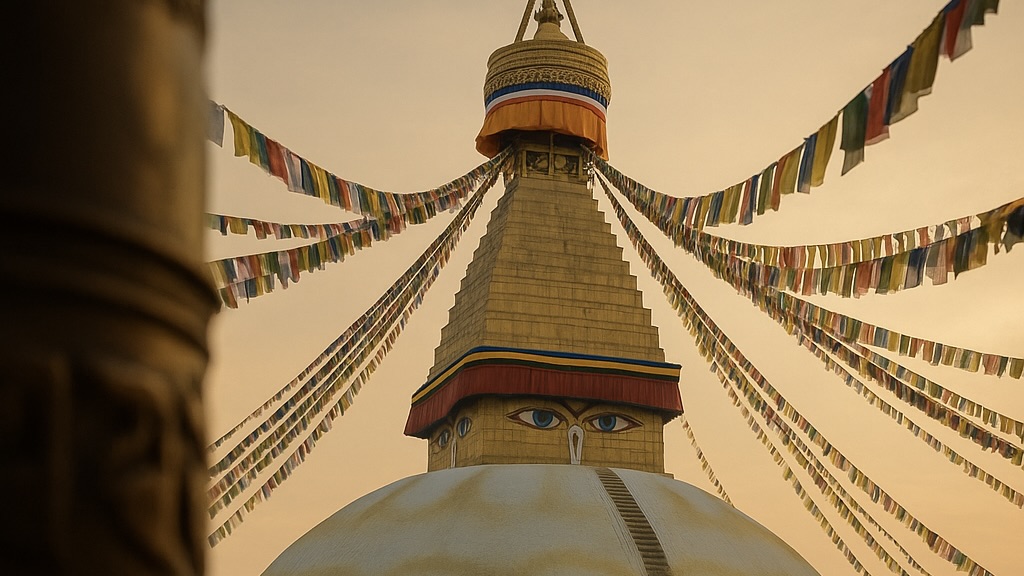
Boudhanath Stupa (also spelled Bouddhanath or Boudha) is one of the largest spherical stupas in the world and arguably the most important Tibetan Buddhist site outside of Tibet. Located in Kathmandu, it is both a spiritual magnet and a daily place of practice.

The structure itself is rich with symbolism:

– A massive white dome symbolizing the vastness of the universe

– The harmika and the 13-tiered spire representing the stages of enlightenment

– The Buddha’s eyes painted on all four sides, watching in compassion

– The base ringed with prayer wheels and mandalas, inviting movement and meditation

– It is not just a monument. It is a living, breathing site of devotion.

Historical Origins of Boudhanath

The origins of Boudhanath are wrapped in both legend and historical record. According to local myth, the stupa was built by an old woman who asked the king for permission to construct a shrine to enshrine the relics of Kassapa Buddha. Her devotion was so deep that even the king granted her land.

Historically, the stupa dates back to the Licchavi period, likely built in the 5th century CE. After the 1959 Chinese invasion of Tibet, thousands of Tibetan refugees settled in Boudha, turning it into the epicenter of Tibetan culture in Nepal.

In 1979, UNESCO recognized Boudhanath as a World Heritage Site, cementing its global spiritual and cultural importance.

Spiritual Significance: The Soul of Tibetan Buddhism in Nepal

For Vajrayana Buddhists, Boudhanath holds immense spiritual power.

It is said that circumambulating the stupa with a pure heart accumulates merit and purifies negative karma.

Around the stupa are over 50 Tibetan monasteries, many of them built after the Tibetan diaspora. Monks, nuns, lamas, and lay practitioners all engage in daily rituals:

– Kora (circumambulation): Always done clockwise, often with mala beads

– Offering butter lamps: A symbolic act of lighting the path to wisdom

– Hanging prayer flags: Sending blessings across space and wind

– Prostrations: Seen early in the morning and late in the evening, with deep reverence

Boudhanath is not just about belief,it’s about spiritual practice lived daily.

What to Expect When You Visit

Visiting Boudhanath is an experience that touches all senses:

– Sounds: Tibetan horns, chants, bells, and soft footsteps

– Scents: Incense, juniper, butter lamps

– Sights: Golden spires, maroon-robed monks, spinning prayer wheels

– Feeling: A deep, palpable calm

You can join the kora, sit on a rooftop cafe with a view, or simply observe. Vendors around the stupa sell thangka paintings, prayer beads, butter lamps, and ceremonial items. But unlike many tourist sites, the spiritual atmosphere stays intact.
At dawn and dusk, the stupa glows. Pilgrims arrive in hundreds, walking quietly or whispering mantras. The whole space feels like a mandala in motion.

Best Time to Visit Boudhanath

Time of Day:

– Sunrise: Ideal for quiet photography and observing morning prostrations

– Sunset: When butter lamps light the kora path and chants echo across the dome

Festivals:

– Losar (Tibetan New Year): Colorful, crowded, and deeply devotional

– Buddha Jayanti: Commemorating Buddha’s birth, enlightenment, and parinirvana

– Lhabab Duchen: Celebrating Buddha’s descent from heaven

Each festival fills Boudha with vibrant energy, but also reverent discipline.

How to Visit with Respect and Awareness

– Dress Modestly: Cover shoulders and knees

– Walk Clockwise: When circumambulating the stupa, always go clockwise

– No Loud Talking or Music: It’s a space for reverence

– Photography: Allowed, but not during rituals or too close to monks

– Participate Gently: Light a butter lamp or spin a prayer wheel with intention

Remember, Boudhanath is not a museum. It’s a sacred site still lived in and loved.

Staying Near the Stupa: A Spiritual Base for Slow Travel

Staying in Boudha allows you to experience the rhythm of stupa life:

– Morning kora with locals

– Afternoons reading in peaceful courtyards

– Evenings watching monks light lamps

For long-stay travelers, retreat-goers, or digital nomads seeking peace, it’s an ideal alternative to Thamel. You’ll find vegetarian cafes, organic bakeries, yoga spaces, and hidden gompas just steps away.

If you’re looking for a peaceful, spiritually aligned place to stay, Boudha Mandala Hotel offers stupa-view rooms, a calming rooftop, and long-stay comfort just 10 seconds from the stupa.

Personal Reflections: A Place That Changes You

I came to Boudhanath thinking I would see something. But I left having felt something.

Maybe it was the rhythm of the footsteps around the stupa. Maybe it was the silence inside the monastery. Maybe it was a little old woman, eyes closed, whispering Om Mani Padme Hum like a prayer to the sky.

Conclusion
Boudhanath is more than bricks, more than relics, more than tradition. It is a space of remembering. Of turning inward while walking outward. Of realizing that sometimes, the sacred isn’t something you find, but something you return to.

When you walk around Boudhanath, you don’t walk alone. You walk with centuries of seekers, saints, and silent prayers.
And when you leave, part of you stays.

Make your journey to Boudha deeper by staying close. Boudha Mandala Hotel is a spiritually aligned boutique hotel just steps from the stupa,perfect for retreat, reflection, or mindful work.