What is the Cost of Living in Kathmandu for Digital Nomads?

Introduction

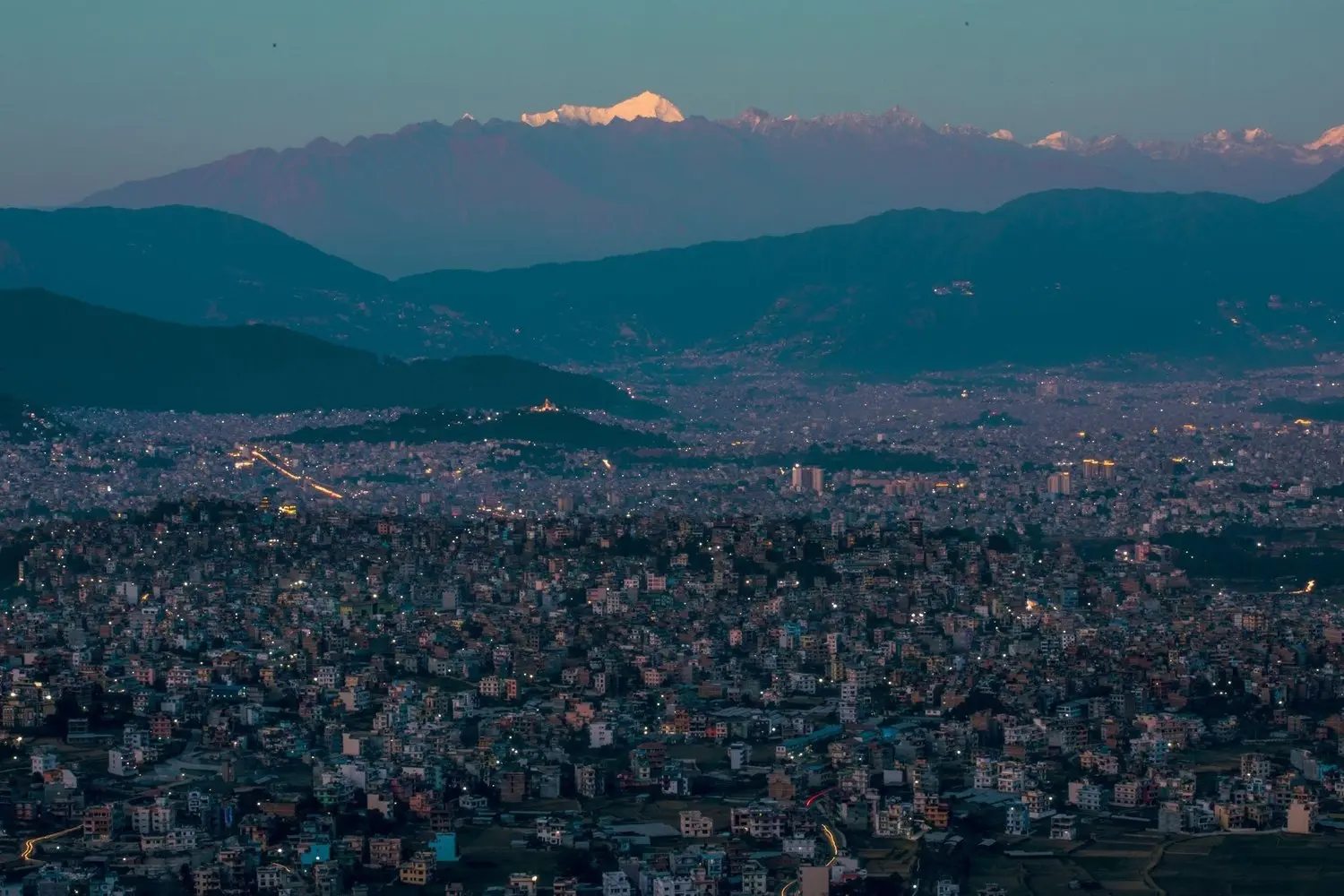
Kathmandu isn’t just affordable, it’s soulful. Nestled in the Kathmandu Valley and layered in centuries of Buddhist and Hindu history, it offers something rare: a city where ancient rituals blend with modern cafes, and where quiet rooftop mornings can cost less than your daily coffee back home.

But cost is only part of the story. The real value lies in how much you can slow down here, how easily you can find presence. Whether you’re a digital nomad on a sabbatical, a remote worker seeking calm, or a creative soul looking for somewhere sacred to write, Kathmandu, and particularly Boudha, can be your base.

Here’s what life actually costs when you choose to live slowly and meaningfully in Nepal’s capital.

Rent: What You’ll Pay to Stay

If you stay in Boudha, the peaceful, stupa-centered neighborhood favored by monks, writers, and long-stay travelers, prices are surprisingly reasonable.

For a fully furnished apartment in Boudha with reliable Wi-Fi, you can expect to pay:

• $250–400/month for a studio or one-bedroom
• $500–700/month for two bedrooms with more modern amenities

Utilities usually run around $30–50/month, and many places include them in the rent. The key here is knowing your needs. If you’re okay with simpler Nepali-style kitchens and a fan instead of AC, you’ll find long-term living both affordable and fulfilling.

Boudha Mandala Hotel also offers long-stay options with the bonus of housekeeping, security, and a stupa-view cafe, perfect for those easing into Kathmandu without the stress of setting up everything from scratch.

Food: Local Meals, Organic Cafes, and Cooking at Home

Kathmandu’s food scene ranges from momos at roadside stalls to wood-fired pizza and organic quinoa salads. In Boudha, you’ll find everything: Tibetan thalis, Ayurvedic meals, and Western breakfasts served with Himalayan honey.

• eating at local restaurants: $1.50–$4 per meal
• Western cafes or expat-friendly spots: $5–$10 per meal
• Monthly groceries (if cooking yourself): around $120–180, depending on your diet

Places like La Casita, Roadhouse Cafe, and Utpala offer calm spaces where you can eat, work, or journal for hours. The cost feels secondary to the peace they provide.

Internet and Coworking: Staying Connected

Kathmandu’s internet has improved drastically. In Boudha, you’ll find strong, consistent Wi-Fi in most apartments, cafes, and hotels.

• Monthly home internet (for long stays): $15–25

• SIM card with data (Ncell or NTC): $2 for the card, $8–10/month for data

• Coworking spaces (Thamel or Lazimpat): $50–150/month, depending on location and services

Most digital nomads working from Boudha skip coworking spaces and just rotate between calm cafes with reliable Wi-Fi. You’ll rarely feel the need for a formal desk unless your work is highly collaborative or call-heavy.

Transport: Getting Around the Valley

Boudha is walkable. That’s one of the biggest gifts of living there. The stupa is at the center, and everything else, shops, monasteries, cafes, orbits around it.

• Local taxi ride: $2–4 around the area, $6–10 to downtown
• Public bus: Under $0.50, but crowded and not for everyone
• Scooter rental: $60–90/month
• Ride-sharing apps (Pathao or InDrive): growing in popularity, fair rates

If you stay near the stupa, you’ll barely need transport. The slower you live, the less you move.

Daily Life: What Adds Up and What Doesn’t

What surprises most nomads in Kathmandu isn’t how cheap things are, but how much they don’t feel the need to spend.

• Yoga or meditation classes: $5–10/session
• Weekend trips to Nagarkot or Bhaktapur: $10–20, including transport and meals
• Laundry services: $4–6 per load
• SIM top-ups, light shopping, coffee breaks, they rarely dent your wallet

Boudha life isn’t consumption-heavy. There’s little push to buy, no flashing ads, no malls calling your name. You pay for stillness, for tea and time, for space to think and breathe.

Why Boudha is the Ideal Base
Cost is only half the story. Boudha offers something few places do , a quiet spiritual rhythm. It’s not just affordable, it’s nourishing.

• You wake to monastery bells, not traffic
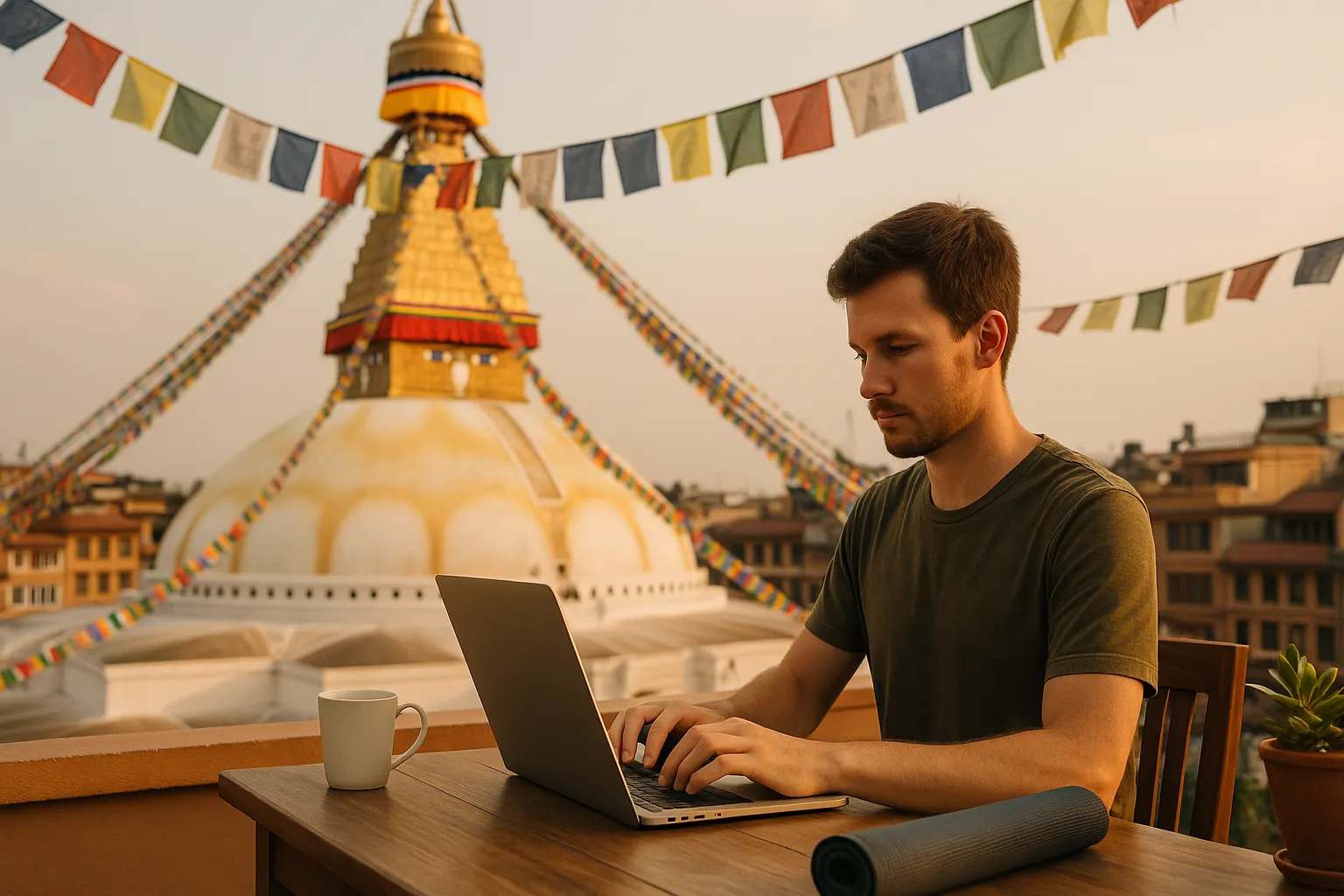
• You work surrounded by monks and prayer flags
• You sleep with a sense of safety and sacredness

At Boudha Mandala Hotel, just 10 seconds from the stupa, you’ll find a space designed for presence. Whether you’re working remotely, taking a sabbatical, or writing your next book, the environment supports your rhythm.

Final Reflection
Kathmandu can be chaotic. But Boudha holds a calm within it. For digital nomads, that balance between affordability and serenity is rare.

If you’re seeking a place where time stretches, where costs are low but value runs deep, then this little corner of Kathmandu might be what you’ve been looking for.

And if you need a place to arrive and settle in, Boudha Mandala Hotel offers more than a room; it offers you a rhythm to come home to.
Digital Nomad Visa Nepal: Everything You Need to Know

The first time I arrived in Boudha, I didn’t come looking for a remote work base. I came seeking stillness.

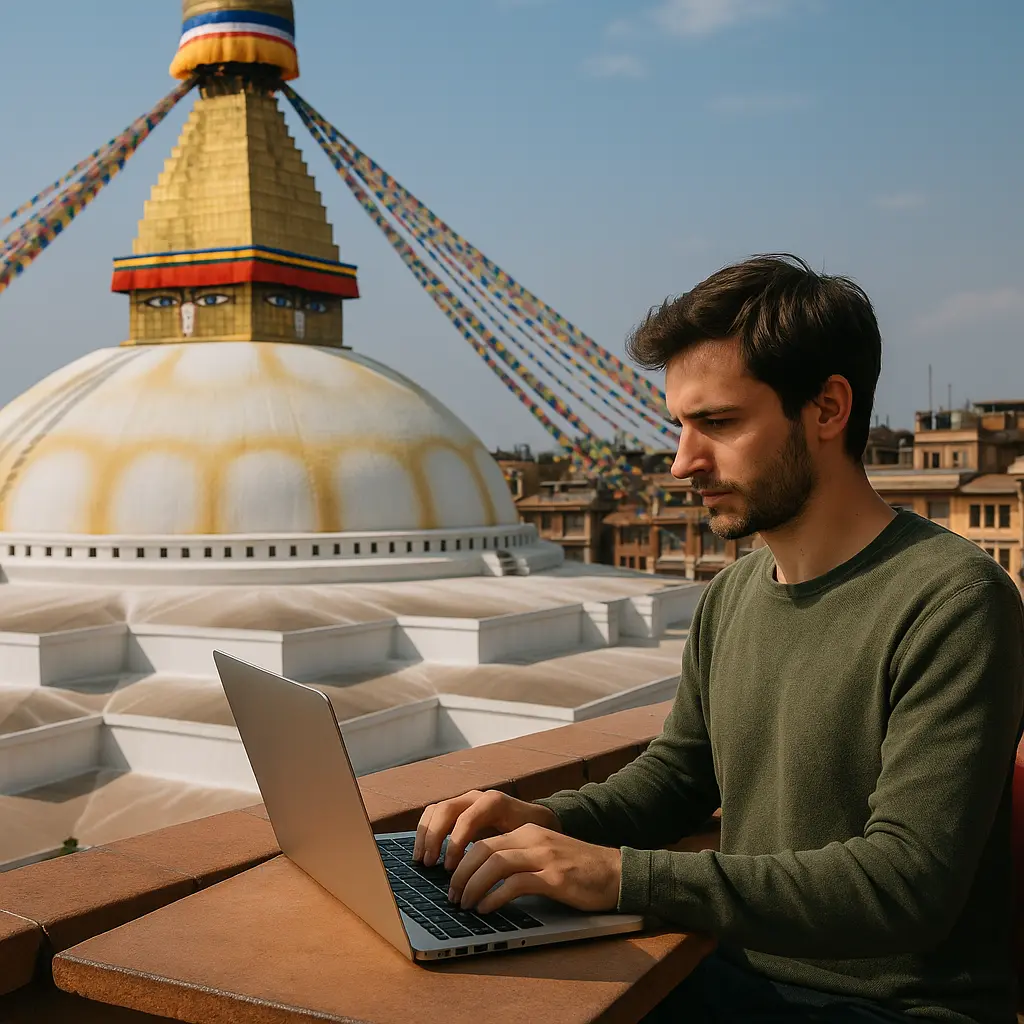
But like many digital nomads before me, I quickly realized something rare: Nepal, and especially Boudhanath, wasn’t just a place to visit. It was a place where you could build a rhythm. Where mornings began with the hum of mantras instead of notifications. Where your workspace was a rooftop with stupa views. And where slow, meaningful living wasn’t a trend, it was the air itself.

If you’ve felt the call to live more intentionally, while still keeping your remote job or creative work flowing, here’s what you need to know about staying in Nepal as a digital nomad.

Does Nepal offer a Digital Nomad Visa?

Not officially. There is no dedicated “digital nomad visa” in Nepal as of 2025. But that doesn’t mean you can’t stay, work remotely, or immerse yourself in daily life here.

Thousands of writers, designers, developers, spiritual seekers, and remote creatives live in Nepal legally, usually by using a tourist visa, extending it strategically, or affiliating with a local organization.

You just need to understand the options and more importantly, move through them mindfully.

The Tourist Visa: Your Gateway In

For most digital nomads, the tourist visa is the most flexible and accessible entry point.

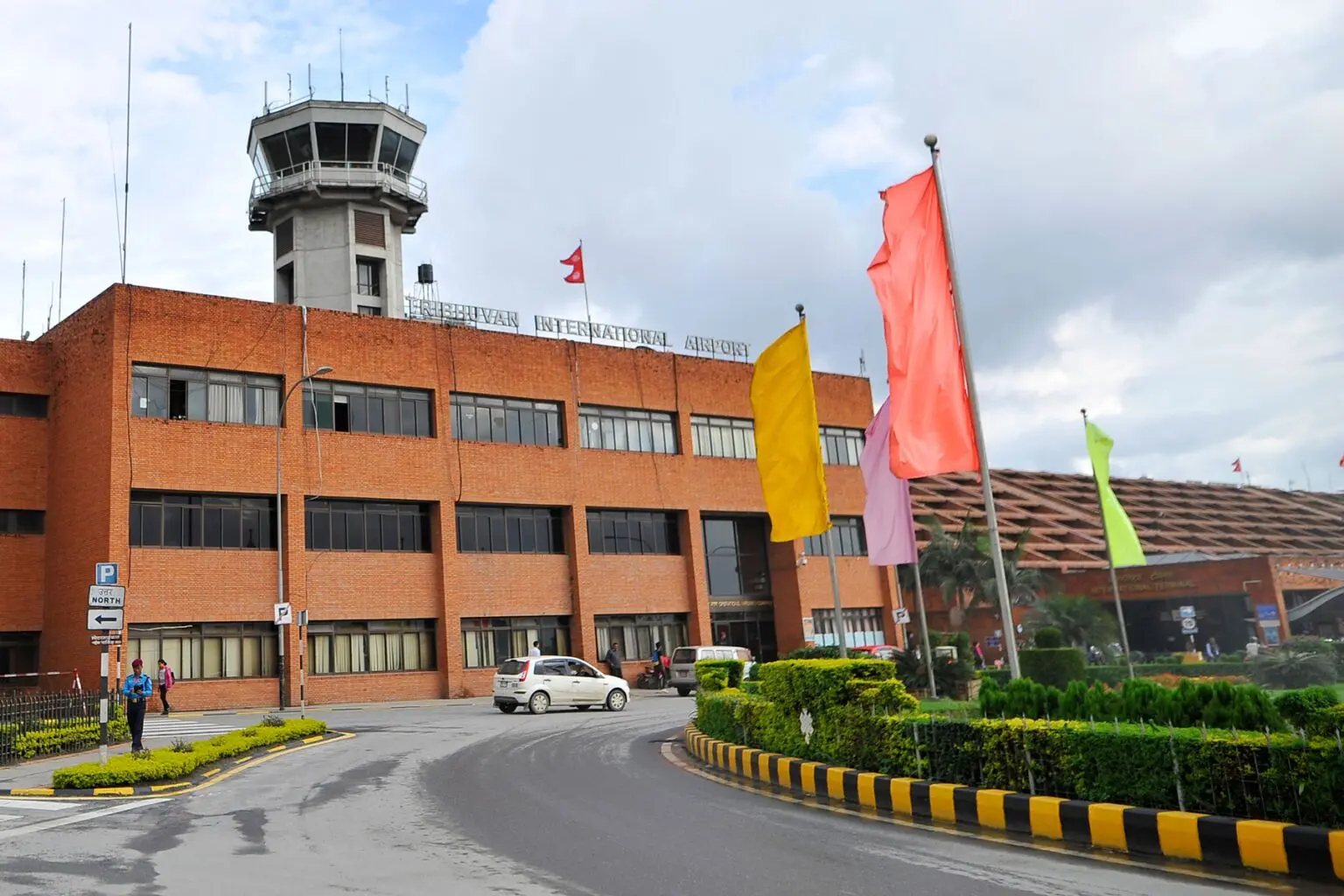
You can get it on arrival at Tribhuvan International Airport in Kathmandu. Choose from 15, 30, or 90 days, and once you’re here, you can extend your stay up to 150 days per calendar year.

It’s not complicated. But it’s important to remember: this visa is meant for tourism. That means while working remotely for international clients is generally tolerated, you should avoid working for Nepali businesses unless you’re on a different visa type.

Still, if you’re freelancing, consulting, or running your business online, the tourist visa is the path most take. Just make sure your passport has six months of validity left, and carry some passport photos. The immigration office in Kalikasthan handles extensions smoothly, though expect a bit of paperwork and waiting.

What About Long-Term Stay?

If you’re thinking about staying beyond 150 days or returning year after year, you might explore other paths.

Some spiritual travelers affiliate with monasteries or NGOs and apply for non-tourist visas. Others set up consulting arrangements through business visas. These require more effort, local contacts, and paperwork, but they’re viable for those truly committed to making Nepal a long-term spiritual and creative home.

Still, for most nomads, especially those here for a few months of retreat, writing, building, or healing, the 150-day window offers enough time to settle into a beautiful rhythm without overcomplicating things.

Why Boudha is the Perfect Base for Remote Workers
The stupa doesn’t ask questions. It just holds space.
That’s what makes Boudhanath so magnetic to remote workers and mindful nomads. You’re just minutes from strong Wi-Fi cafés and coworking-friendly rooftops, but the atmosphere remains one of silence and reverence.

You’ll see it in small ways:
• Monks walking slowly in early light
• The soft tap of butter lamps being lit before dusk
• Local artists sketching the stupa from a shaded bench
• Freelancers writing books or building apps with incense rising beside their laptop

There’s no rush here. And for digital nomads, that’s a gift.

If you’re used to the hustle of Bali or Lisbon, Boudha feels like a quiet invitation: to work deeply and live fully present.

The Practical Side: Wi-Fi, Cafes, and Coworking

Don’t let the spiritual vibe fool you, Boudha is tech-ready in its own way.

Several rooftop cafés offer strong Wi-Fi and calm, quiet corners. Popular among remote workers are:

• Stupa View Café (great light, power outlets, herbal teas)
• Utpala Garden (vegetarian food, open courtyard, gentle energy)
• La Casita de Boudhanath (Spanish-Nepali fusion and peaceful vibe)

Most nomads simply rotate between these spots, working in the morning, walking kora at lunch, then settling into focus mode again after a pot of masala chai.

You’ll also find affordable SIM cards with 4G data (Ncell or Namaste), and if you stay long enough, it’s easy to get portable routers for backup.

Where to Stay: The Value of Proximity

Living close to the stupa changes everything. You’re not commuting to calm , you’re inside it.

At Boudha Mandala Hotel, you’re just ten seconds from the gate. That means:

• You can join the early morning kora before work
• Hear the evening chants from your room window
• Step into stillness whenever your mind needs a reset

The hotel offers long-stay rooms, strong Wi-Fi, a peaceful breakfast café, and a deeply respectful local team who understands the needs of spiritual travelers and remote workers.

If you’re planning to stay weeks or months, having a space that feels safe, sacred, and work-friendly makes all the difference.

Final Thoughts

Nepal may not yet have a flashy “digital nomad visa,” but it has something far more lasting: space to breathe.

Boudha doesn’t promise productivity hacks. It offers presence. And sometimes, that’s exactly what your work and your life need most.

So if you’re thinking of setting up your next creative season, sabbatical, or soul-led remote work chapter in Nepal, know this:
The visas are possible. The internet works. The community is here.
But more than anything? The stupa is waiting.

If you’re looking for a peaceful, long-stay-friendly hotel just steps from the stupa, Boudha Mandala offers stupa-view rooms, reliable Wi-Fi, and a warm, spiritually supportive welcome.

How to Get from Tribhuvan Airport to Boudha

Key Takeaways
Boudhanath is just 4–5 kilometers from Kathmandu’s Tribhuvan International Airport, making it a perfect first destination. Travelers can choose from prepaid taxis (NPR 800–1200), ride apps like Pathao or InDrive (NPR 350–500), budget microbuses (NPR 20–30), or a pre-arranged hotel pickup. This guide explains all options clearly, with up-to-date fares, safety advice, and helpful cultural tips.

Introduction
The moment you step out of Tribhuvan International Airport, you’re hit by a mix of warm air, honking traffic, and the unfamiliar rhythm of Kathmandu. For many travelers, especially those coming for retreat, pilgrimage, or mindful exploration, Boudha is the perfect place to begin.
Unlike Thamel’s backpacker chaos, Boudha greets you with prayer wheels, monks in maroon robes, and the gentle presence of the great stupa, and it’s only about 20 minutes away from the airport.

But how do you get there easily, safely, and without overpaying? Let’s break down your options.

How Far Is Boudhanath Stupa from Tribhuvan Airport?

Boudhanath is just 4 to 5 kilometers northeast of Tribhuvan International Airport (TIA). In smooth traffic, it takes about 15–20 minutes by vehicle. During peak hours, like late afternoon or festivals, it may take up to 30 minutes.

The drive follows the Ring Road and turns off near Gaushala, leading into the peaceful Boudha neighborhood.

Option 1: Taking a Prepaid Taxi from the Airport
For many first-time travelers, the prepaid taxi counter inside the airport terminal is the most straightforward choice.
• Where to find it: Inside the arrivals area, just past customs
• Cost: NPR 800–1200 to Boudha, depending on your arrival time

Tips:
• Always confirm the destination and fare
• Carry small change if possible
• Don’t feel pressured by unofficial taxi drivers

Prepaid taxis are safe and official, and drivers generally know where Boudha is.

Option 2: Using Ride-Hailing Apps like Pathao or InDrive

If you have a Nepali SIM or access to Wi-Fi/data, ride apps are cheaper and increasingly reliable.

• Apps to use: Pathao (Nepali Uber alternative), InDrive (you bid your price)
• Estimated fare: NPR 350–400 to Boudha
• Wi-Fi: Tribhuvan Airport has limited free Wi-Fi, but local SIMs are cheap
• Tip: You may need to walk a few steps outside the airport gate to meet your driver

Digital nomads and younger travelers often prefer this method.

Option 3: Public Bus or Microbus (Budget Option)

For the adventurous or ultra-budget traveler, you can take a microbus or public Sajha Yatayat bus from the main road outside the airport gate.

• Cost: NPR 20–30
• Route: Get on any bus heading toward Gaushala or Chabahil. From there, walk or take a short local ride to Boudha
• Best for: Light packers, frequent travelers, or those seeking a local experience

Note: There are no direct buses from inside the airport. You’ll need to walk to the Ring Road.

Option 4: Hotel Pickup (Stress-Free Arrival)

If you’re staying at a spiritual retreat hotel like Boudha Mandala Hotel, you can request an airport pickup in advance.

Why choose it:
• Guaranteed safe driver
• No haggling or confusion
• Someone will be waiting for you with your name

Ideal for: First-time visitors, solo women travelers, or those arriving late at night

After a long flight, there’s peace in knowing exactly who’s picking you up.

Safety, Etiquette & Arrival Tips

• Cash vs Digital: Get NPR at airport ATMs or exchange booths. Some apps like eSewa and Khalti are widely used, but cash is best initially
• Politeness: A soft “Namaste” goes a long way
• Airport touts: Be polite but firm if approached by unofficial transport offers
• Dress modestly: Especially if heading to spiritual areas like Boudha.

Where to Stay Near the Stupa

Boudha is peaceful, safe, and deeply spiritual. Unlike the noisy tourist zones, here you’ll find monasteries, local bakeries, monks walking silently at dawn, and rooftop cafés.
Boudha Mandala Hotel is a favorite for spiritual travelers, digital nomads, and long-stay guests. With stupa-view rooms and a quiet café, it’s just 10 seconds from the stupa gate, and worlds away from the city’s noise.

Final Tips

Boudha is one of the few places where your journey begins the moment you arrive. Whether you take a cab, hop on a local bus, or glide through with a ride app, the goal is the same: to reach a place of peace, prayer, and presence.

Let the buzz of the airport fade as you walk slowly toward the giant white dome, listening to the low murmur of mantras in the air. Welcome to Boudha.

Why Digital Nomads are Choosing Boudha Over Thamel

For years, Thamel has been Kathmandu’s hub for backpackers and short-term travelers. With its dense web of guesthouses and trekking shops, it’s ideal for you passing through. But a growing wave of digital nomads is settling in Boudha instead.

Just a 15- 20 minute drive from Thamel, Boudha offers a peaceful and spiritually rich neighborhood centered around the majestic Boudhanath Stupa. More and more remote professionals are discovering that Boudha provides a stable base for work and a lifestyle that supports clarity and calm.

A Quieter Base for Focused Work

For digital nomads building businesses, teaching online, or working freelance, reliable focus is essential. Thamel’s bustling streets, loud nightlife, and tourist buzz can become overwhelming over time.

Boudha, by contrast, offers a tranquil rhythm. Mornings begin with the soft sound of monks chanting and locals walking clockwise around the Stupa. The atmosphere is contemplative,ideal for focused work and online meetings.

One guest staying at Boudha Mandala Hotel recently told us,

“I got more done in three weeks here than in two months in Bali. The energy just supports concentration.”
Internet in Boudha meets nomad standards, too. Many boutique hotels and guesthouses now provide high-speed fiber connections, making Zoom calls and uploads seamless.

Tailored for Long-Term Living

Boudha is increasingly geared toward long-stayers. Hotels like Boudha Mandala Hotel offer peaceful rooms with stupa views, fast internet and long-stay options.
Unlike the transient energy of Thamel, Boudha supports a slower, more intentional pace of life. Yoga classes at nearby monasteries and regular community workshops create a rich, grounded living experience.

Nourishing Food and Healthy Living

Cafes serve nourishing organic local meals. Small markets sell fresh produce, and many hotels and apartments include kitchens for home-cooked meals.
Compared to the fried, fast-paced fare of Thamel, Boudha encourages a healthier, more mindful approach to eating.

A Community That Goes Beyond Tourism

You will find Boudha a part of a quiet but deeply connected community, made up of remote workers, artists, NGO staff, and spiritual seekers. Here, conversations happen over tea and relationships are built around shared intentions.
One long-term visitor described the scene best: “Boudha doesn’t feel like a place you pass through. It feels like a place that lets you pause.”
The area also hosts events like spiritual talks, yoga sessions, and guided walks around the Stupa. These organic meeting points build real connections, not just coworking convenience.

Easy Access Without the Overload

Despite its peaceful feel, Boudha is well-connected. It’s a short taxi ride from Thamel or the airport, and most major services, banks, hospitals, and cafes are a short walk away. For those who want access to city energy without living in the middle of it, Boudha offers the best of both worlds.

Final Thoughts

You are redefining what it means to live and work abroad. For many, Boudha offers a setting where work, wellness, and culture converge.

If you’re seeking a peaceful hotel in Boudha, Boudha Mandala Hotel offers stupa-view rooms and long-stay comfort. Let the prayer flags wave outside your window while you write, teach, or create.