
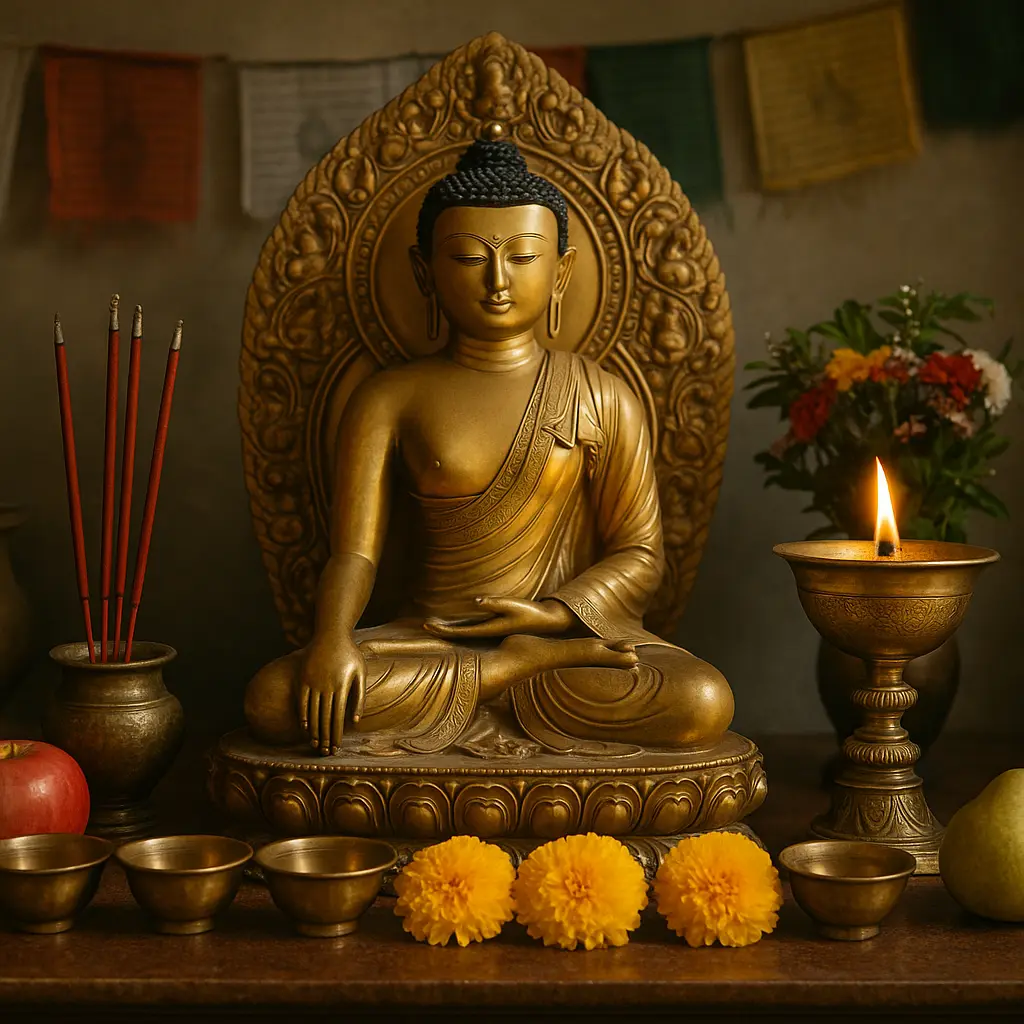
A Buddha shrine, sometimes called a Buddhist altar or veneration space, is a sacred place where the presence of the Buddha is honored. Whether found inside temples, monasteries, homes, or tucked into corners of bustling city streets, these shrines serve as spiritual focal points, places for meditation, offerings, and remembrance of the awakened mind.
At its heart, a Buddha shrine is not about religion in the conventional sense. It’s about cultivating presence, gratitude, and mindfulness. Whether you’re a devout practitioner or simply a spiritually curious traveler, standing before a Buddha shrine often evokes a quiet sense of reverence ,like stepping into a moment outside of time.
Elements of a Buddha Shrine: What You’ll See and Why It Matters
No matter where you travel,whether it’s a remote monastery in Nepal or a quiet corner in someone’s home,the essential elements of a Buddha shrine remain surprisingly universal. These include:
• A statue or image of the Buddha, usually seated in meditation or teaching posture
• Offerings such as flowers, incense, butter lamps, fruit, or clean water
• Sacred texts or prayer flags
• A clean, respectful environment, often elevated above daily living spaces
Each element holds meaning. The offerings aren’t to please a god, but to cultivate qualities like generosity, devotion, and awareness. Lighting a butter lamp symbolizes removing ignorance and bringing light to the mind. Even the way the Buddha is seated,legs crossed, eyes lowered,serves as a silent teaching in stillness and equanimity.
Types of Buddha Shrines You’ll Find in Nepal
Temple Shrines
Step into any Buddhist temple in Nepal,whether it’s Boudhanath, Swayambhunath, or a local village monastery,and you’ll encounter grand, elaborately decorated Buddha shrines. These spaces are rich with:
• Thangka paintings of deities and mandalas
• Rows of butter lamps flickering in silence
• Chanting monks or lay practitioners doing circumambulations
At Boudhanath Stupa, for example, the main shrine faces inward from each cardinal direction, radiating blessings like a mandala turned inside out. These aren’t just aesthetic. Each detail is an embodiment of sacred geometry, history, and devotion.
2. Monastic Shrines
Inside Tibetan Buddhist monasteries, shrines often include not just a central Buddha image, but also statues of lineage masters, protector deities, and elaborate offerings arranged with ceremonial precision. These spaces are primarily used for daily pujas (prayer ceremonies) and deeper meditative practices.
If you’re staying near Boudhanath, you can often quietly join morning or evening rituals at monasteries like Shechen, Ka-Nying, or Nagi Gompa (further north in Shivapuri).
3. Home Shrines
Many Nepali and Tibetan families maintain simple home altars, typically located on a high shelf in the main living area. These might include:
• A photo or statue of the Buddha
• A row of small offering bowls filled with water
• Fresh flowers or incense
Even if you’re a traveler or digital nomad living in an apartment, creating a small personal shrine can transform your space into something sacred. A single candle and a peaceful image may be enough.
Why People Visit Buddha Shrines
People come to Buddha shrines not just to pray,but to remember who they are when the noise quiets down. Whether local pilgrims doing prostrations around Boudhanath or solo travelers lighting incense in silence, the reasons include:
• Seeking inner peace or answers
• Expressing gratitude or grief
• Marking the start or end of a journey
• Honoring someone who has passed
• Connecting to a lineage or teaching
Imagine waking up early in Boudha, stepping barefoot onto a balcony, and watching the morning light touch the stupa’s golden pinnacle. Below, an elderly nun offers marigolds to a shrine with a gaze so calm, it stills your thoughts. This is not sightseeing. This is soul-seeing.
How to Behave at a Buddha Shrine: Mindful Etiquette
When visiting a Buddha shrine,especially in Nepal,respect is key. Here are a few gentle reminders:
• Remove your shoes before entering temple areas
• Don’t point your feet toward the shrine or sacred objects
• Walk clockwise around stupas or shrines
• Refrain from loud conversation or selfies
• Don’t touch statues or offerings, unless invited
It’s also common to make a small offering,such as lighting a butter lamp or offering a few rupees for maintenance. But more than anything, your sincerity is the real offering.
Notable Buddha Shrines Around Boudhanath Stupa
If you’re staying at Boudha Mandala Hotel, you’re just seconds away from some of the most spiritually alive Buddha shrines in the world. Here are a few nearby highlights:
• Boudhanath Stupa: The heart of Tibetan Buddhism in Nepal, surrounded by dozens of small shrine rooms and temples
• Guru Lhakhang Monastery: A beautiful courtyard shrine tucked inside a monastery just off the stupa circle
• Samtenling Gompa: A peaceful monastery with a hidden inner shrine visited mostly by locals
• Shechen Monastery: Just a short walk away, with one of the most elaborate shrine halls in Kathmandu
Each of these places invites quiet, patient observation. Don’t rush. Let yourself be affected.
How to Create Your Own Buddha Shrine While Traveling
Even if you’re moving between places, it’s possible to carry a sense of shrine with you. Here’s how:
• Bring a small Buddha statue or image
• Use a scarf or cloth as a sacred base
• Include one or two personal tokens (like a stone from a sacred place or a mala bead)
• Light a candle or incense stick at sunrise or sunset
The goal is not to build something perfect, but something meaningful. Even five minutes in front of your travel altar can anchor you in presence, gratitude, and calm.
Final Thoughts
In an age of speed, distraction, and disconnection, Buddha shrines offer something rare stillness that asks nothing of you. Whether you bow, light a lamp, or simply pause and breathe, these spaces help you return to what matters: the clarity of mind, the depth of heart, and the awareness that peace is possible.
If you’re looking for a peaceful hotel just steps from the stupa, Boudha Mandala offers stupa-view rooms, long-stay options, and a warm local welcome. With calm interiors, nourishing food, and easy access to sacred shrines, it’s the perfect base for travelers seeking meaning, not just movement.