
Key Takeaways
• Buddhism is over 2,500 years old and originated in Nepal, not India.
• It is a nontheistic spiritual tradition, meaning it does not worship a creator god.
• The Buddha was a real historical figure, not a mythical being.
• Core teachings like the Four Noble Truths and Ethe Eightfold Path are practical life philosophies, not dogma.
• Buddhism spread peacefully across Asia via pilgrimage routes and cultural exchange, not conquest.
• There are multiple schools of Buddhism, including Theravāda, Mahāyāna, and Vajrayāna.
• Meditation in Buddhism is not for relaxation, it’s a tool for awakening and insight.
• The idea of reincarnation in Buddhism is more nuanced than often understood.
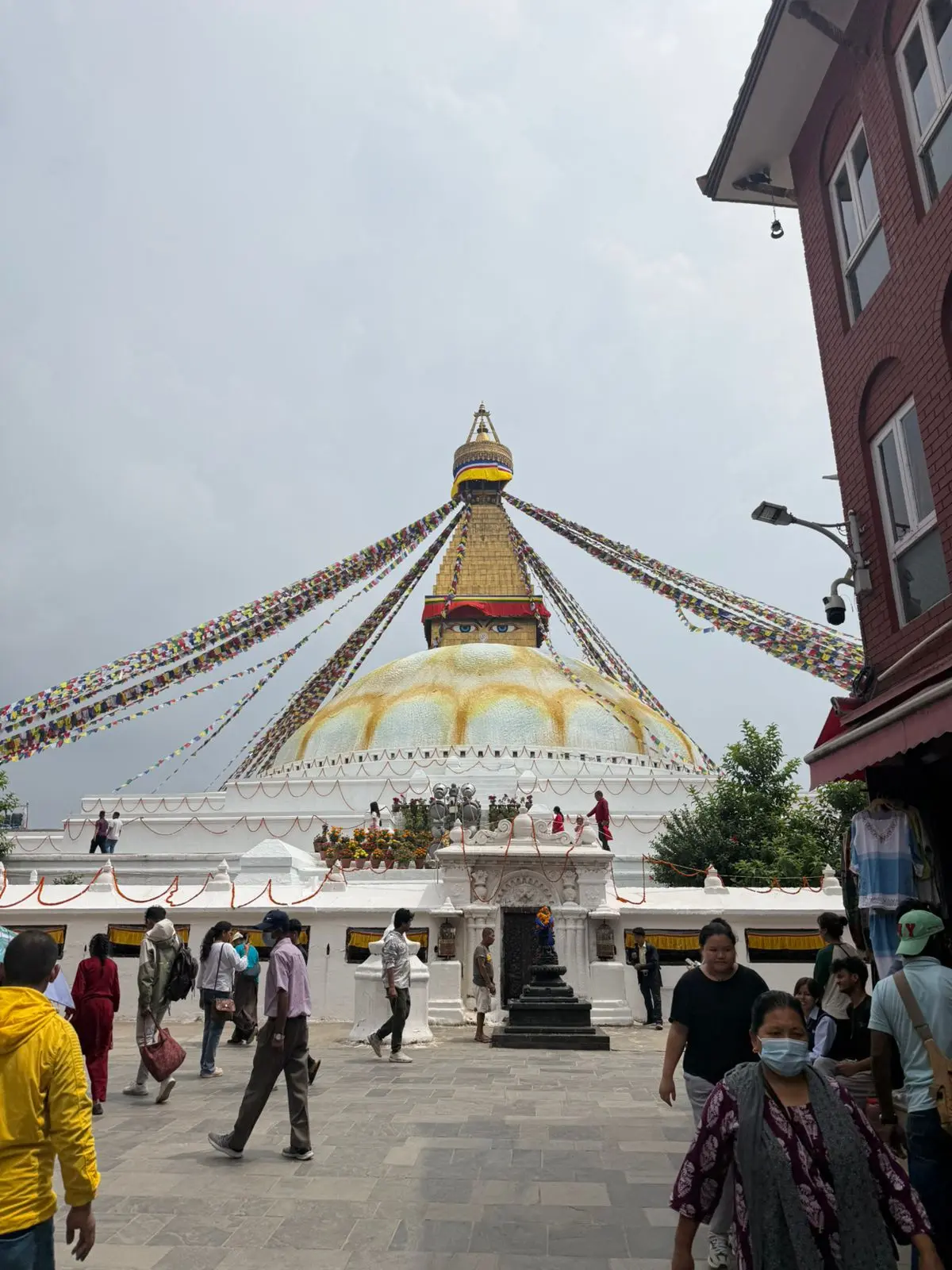
• Buddhist art and architecture, like stupas and mandalas, are rich with symbolic meaning.
• Today, over 500 million people practice Buddhism globally, blending tradition with modern life.
Buddhism is one of the most widely practiced spiritual paths in the world,but it’s also one of the most misunderstood. You may associate it with monks in saffron robes, chanting mantras, or quiet meditation halls filled with incense. But beyond those images lies a vast, rich, and deeply human philosophy that has shaped cultures, ethics, and ways of being for more than two millennia.
Here are ten lesser-known but fascinating facts about Buddhism that reveal its depth, diversity, and enduring relevance.
1. The Buddha Was Born in Nepal, Not India
Many people assume that Buddhism began in India. While it’s true that the Buddha attained enlightenment in Bodh Gaya (present-day India), Siddhartha Gautama,the historical Buddha,was born in Lumbini, in what is now southern Nepal, around 563 BCE.
Today, Lumbini is a UNESCO World Heritage Site and an important pilgrimage destination, attracting visitors from all over the world.
2. Buddhism Has No Central God
Unlike many major religions, Buddhism is non-theistic. It doesn’t worship a supreme creator. Instead, it teaches that all beings have the potential for enlightenment (bodhi) within themselves.
This philosophical framework places responsibility for liberation squarely on one’s own actions, which is why karma, mindfulness, and ethical living are so central in Buddhist thought.
3. The Teachings Are Designed to Be Tested, Not Believed Blindly
The Buddha often said, “Don’t believe anything just because I said it. Test it for yourself.” This approach to wisdom is rare among ancient teachings.
In fact, many Buddhist traditions encourage practitioners to question, investigate, and directly experience truth through meditation, study, and ethical living. This aligns with modern values of critical thinking and inner inquiry.
4. There Are Many Forms of Buddhism,And They’re All Valid
Buddhism isn’t a monolith. Over centuries, it evolved into several distinct lineages, each emphasizing different aspects of the Dharma (Buddha’s teachings):
• Theravāda Buddhism: Common in Sri Lanka and Southeast Asia; focuses on early scriptures and monastic practice.
• Mahāyāna Buddhism: Found in China, Korea, Japan; introduces Bodhisattvas and expansive teachings.
• Vajrayāna Buddhism: Practiced in Tibet, Bhutan, and Mongolia; uses mantras, visualizations, and tantric rituals.
Despite differences, all schools maintain the foundational principles of the Four Noble Truths and Eightfold Path.
5. Meditation Is Just One Part of the Path
While often associated with meditation, Buddhism sees it as one aspect of a larger path. In the Eightfold Path, meditation (samādhi) is only one of eight limbs.
Ethical conduct (sīla) and wisdom (paññā) are just as vital. This holistic path encourages the cultivation of right speech, right livelihood, and right understanding,not just inner calm.
6. Nirvana Is Not a Place,It’s a State of Liberation
Popular culture sometimes portrays nirvana as a Buddhist “heaven.” In truth, nirvana (nibbāna) means “to extinguish” the fires of craving, hatred, and delusion.
It’s a state of complete freedom, where one no longer clings to ego, desire, or identity. Attaining it is considered the ultimate goal of Buddhist practice, but the path toward it is what gives daily life meaning.
7. Buddhism Spread Through Peace, Not Force
Unlike many religions that expanded through conquest, Buddhism spread across Asia through cultural exchange, trade routes, and missionary monks.
King Ashoka of India (3rd century BCE) played a crucial role by supporting Buddhist missions to Sri Lanka, Nepal, and beyond. Later, the Silk Road helped carry Buddhist texts, art, and monastic traditions into Central and East Asia.
8. Rebirth in Buddhism Is Not About the Soul
One of the most misunderstood ideas in Buddhist philosophy is rebirth. Unlike the Hindu concept of an eternal soul (ātman), Buddhism teaches anattā,the doctrine of “no-self.”
This means that what continues after death is a stream of consciousness conditioned by karma, not a fixed soul. It’s a subtle but profound view, emphasizing cause and effect rather than eternal identity.
9. Buddhist Art Is Rich with Symbolism
Buddhist visual culture,especially thangka paintings, mandalas, stupas, and mudras,is not merely decorative. These forms are symbolic maps of the mind and reminders of key teachings.
• A stupa represents the enlightened mind
• A mandala maps the universe of awakening
• Mudras (hand gestures) express specific energies like compassion or fearlessness
For spiritual travelers, these symbols offer visual doorways into Buddhist wisdom.
10. Buddhism Is Still Evolving and Thriving
Buddhism is not a museum relic. It’s a living tradition practiced by over 500 million people globally, from Himalayan monks to urban meditation teachers in New York or Tokyo.
In the modern age, Buddhism has found fresh expression through:
Secular mindfulness movements
• Socially engaged Buddhism
• Digital sanghas and online retreats
• Cross-cultural dialogue between East and West
Despite its ancient roots, the Dharma continues to adapt, offering refuge and clarity in a complex world.
Final Reflection
Buddhism is often seen as serene and quiet,but beneath its calm surface lies a fierce compassion, a precise psychological map, and a deeply human invitation: to know yourself, free yourself, and live with wisdom.
If you’re visiting sacred sites like Boudhanath or Lumbini, or simply sitting quietly with your own thoughts, remember, the Buddha didn’t want followers. He wanted people to awaken.